
DOWNLOAD YOUR FREE PRINTABLE WORKSHEETS
Fun, gentle worksheets for kids aged 2–7
Ready-to-print activities that build early skills — alphabet, numbers, tracing, fine motor and more.
WORKSHEETS BY AGE
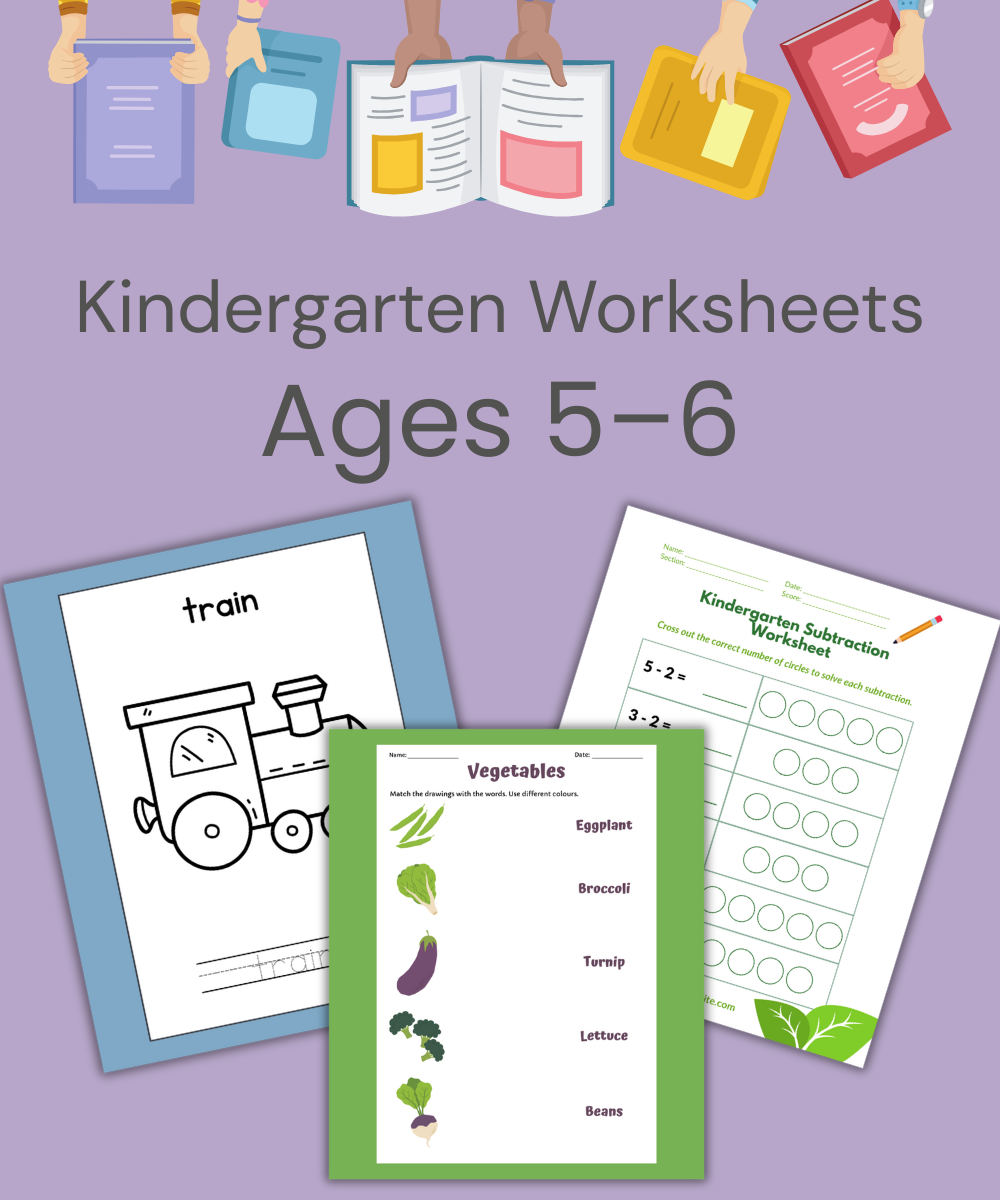
WORKSHEETS BY SKILL
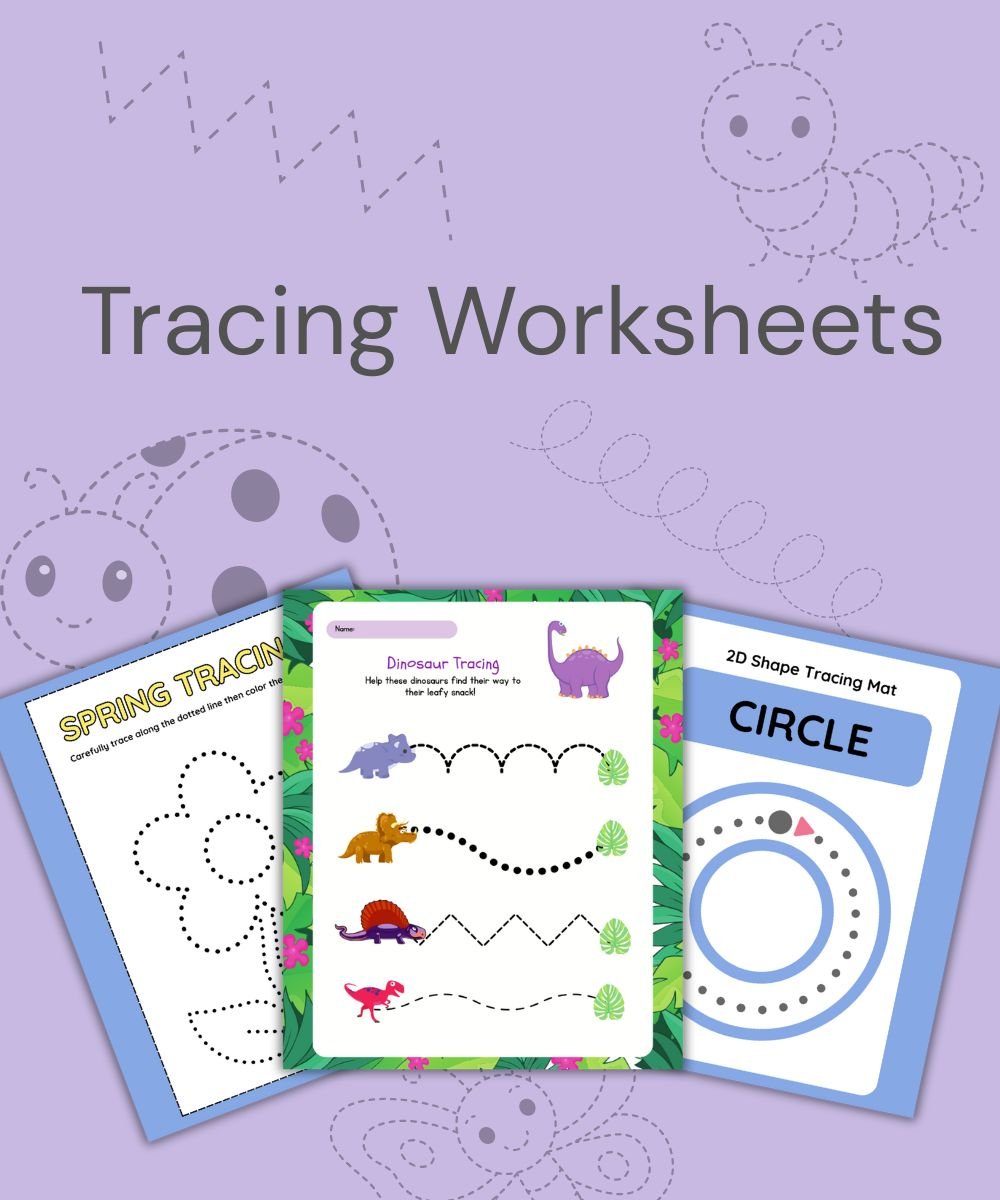
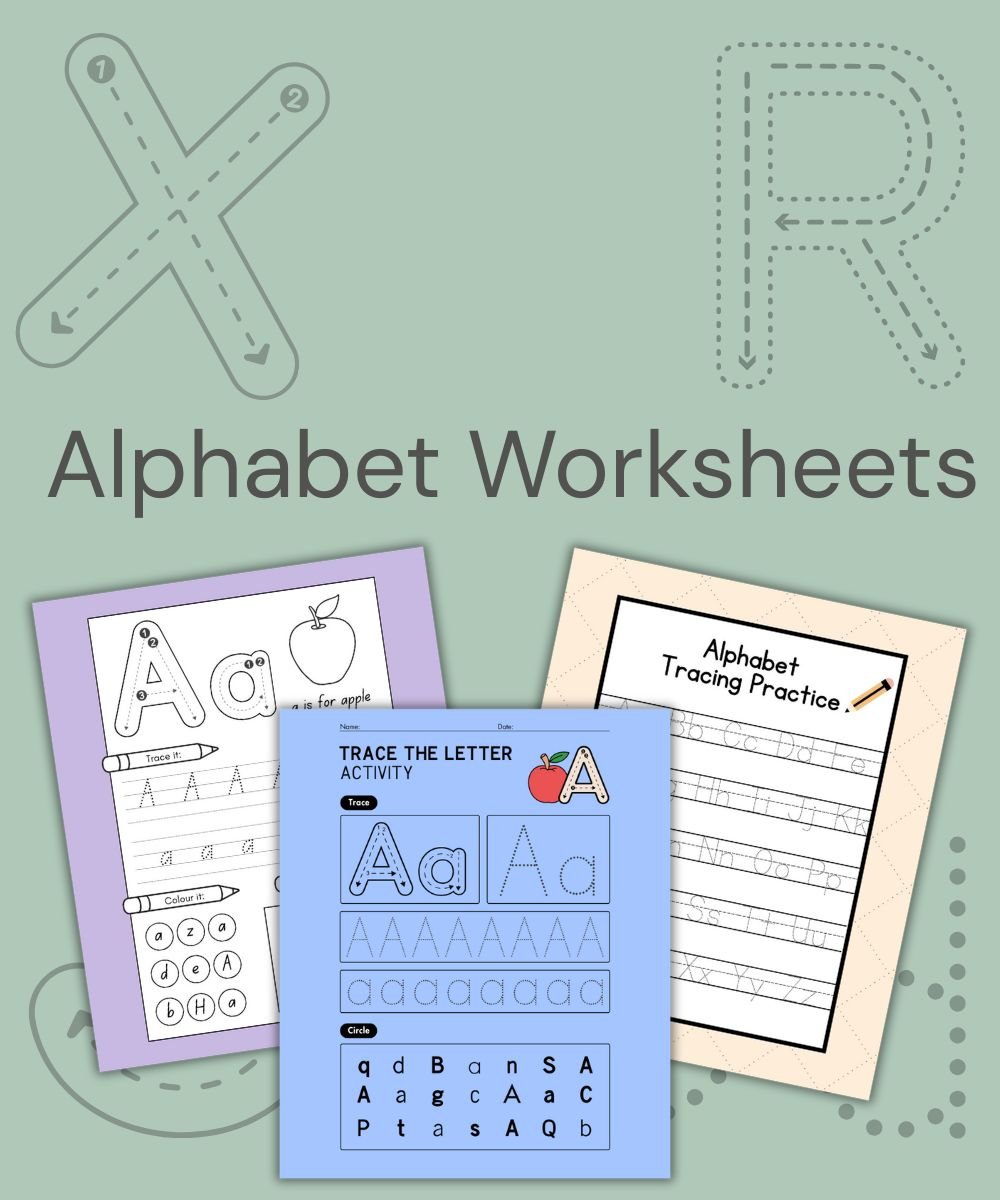
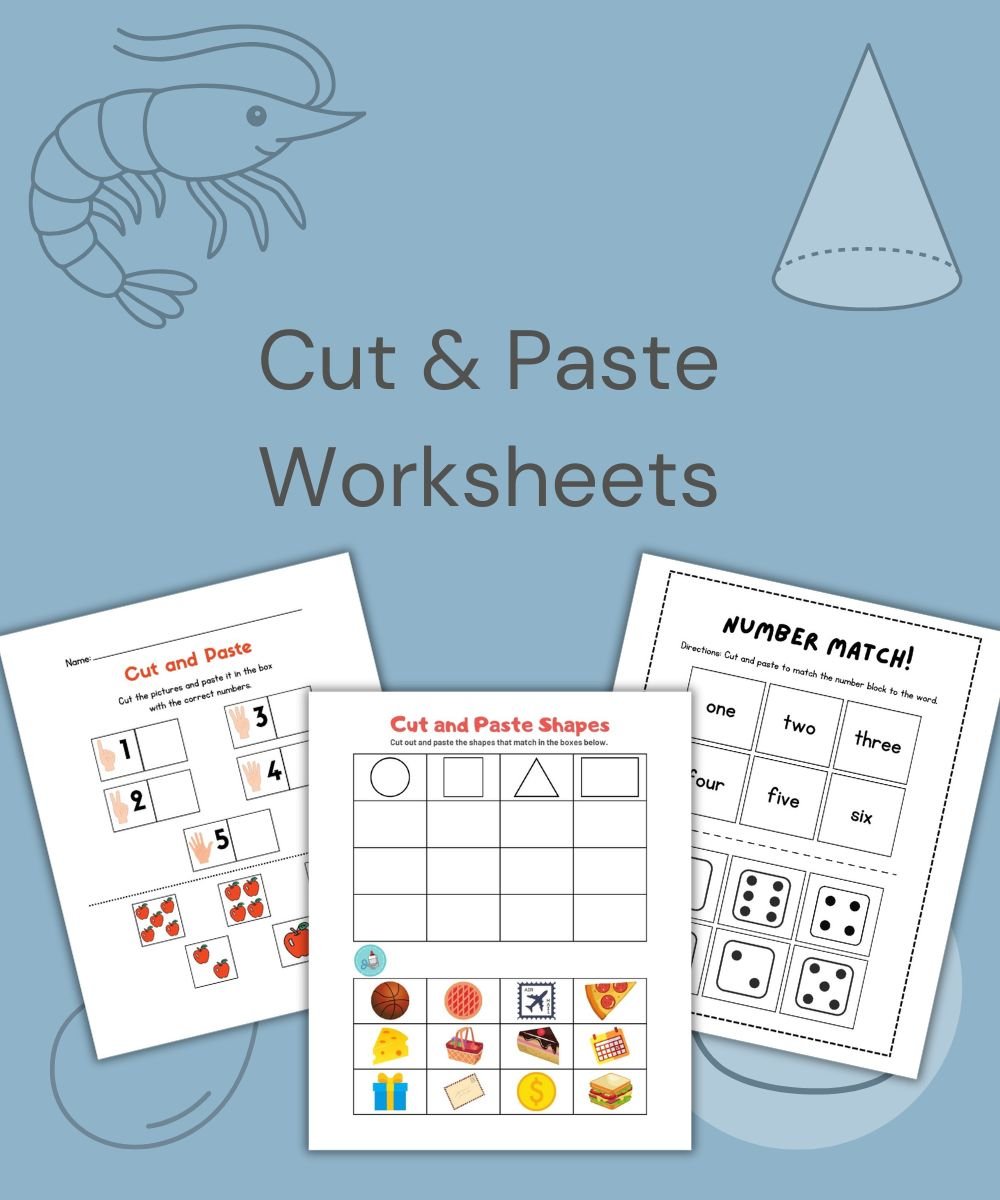
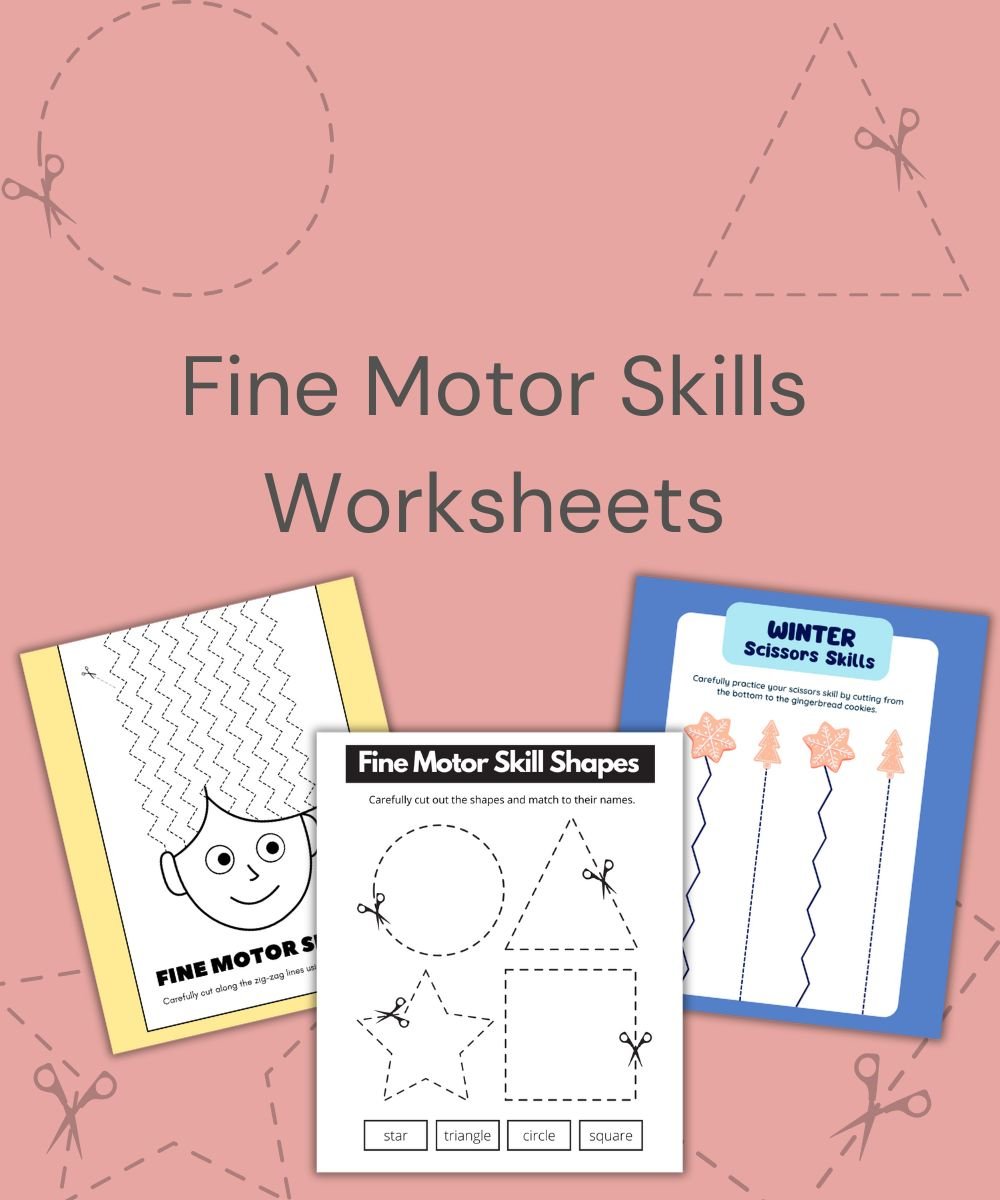
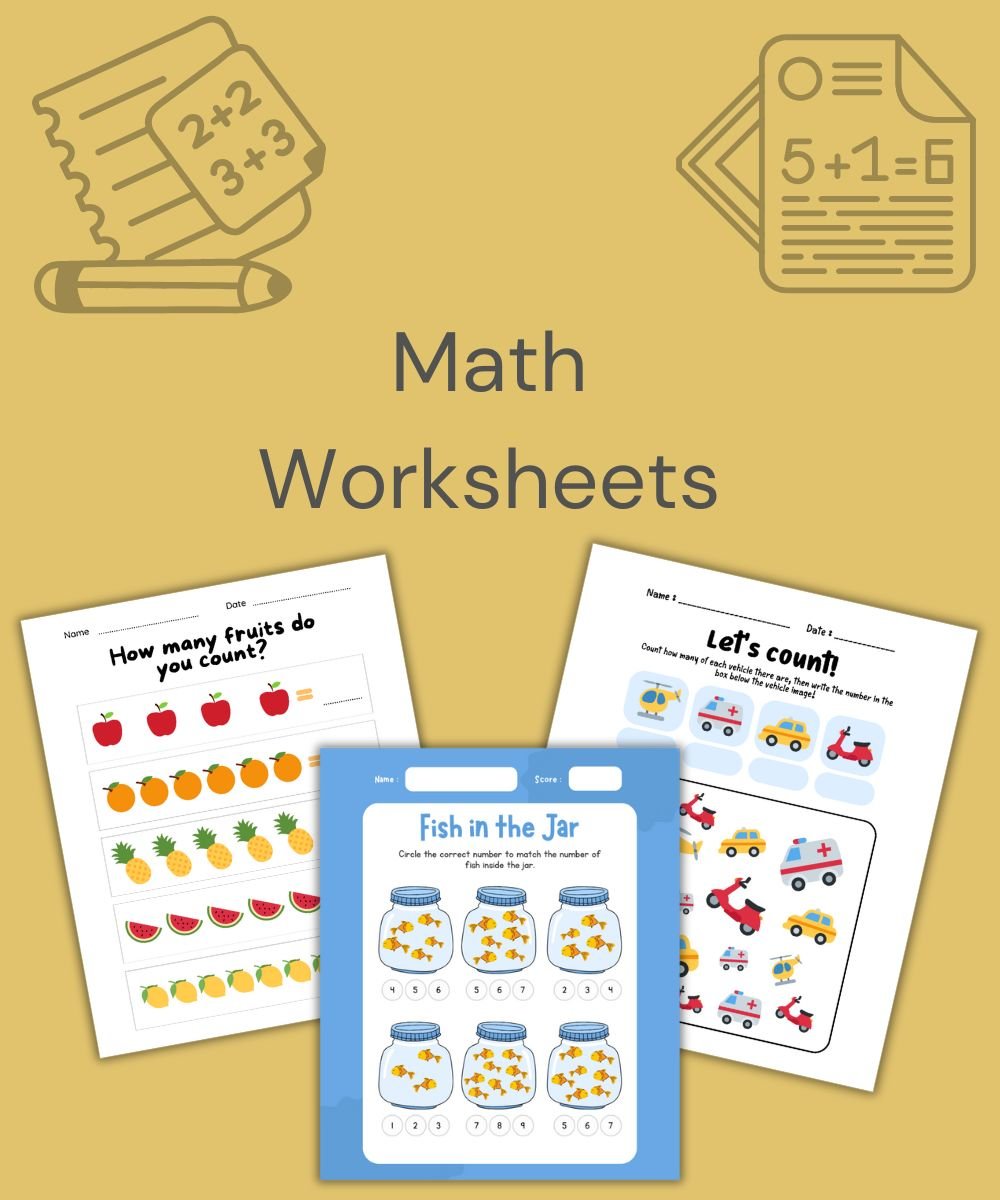
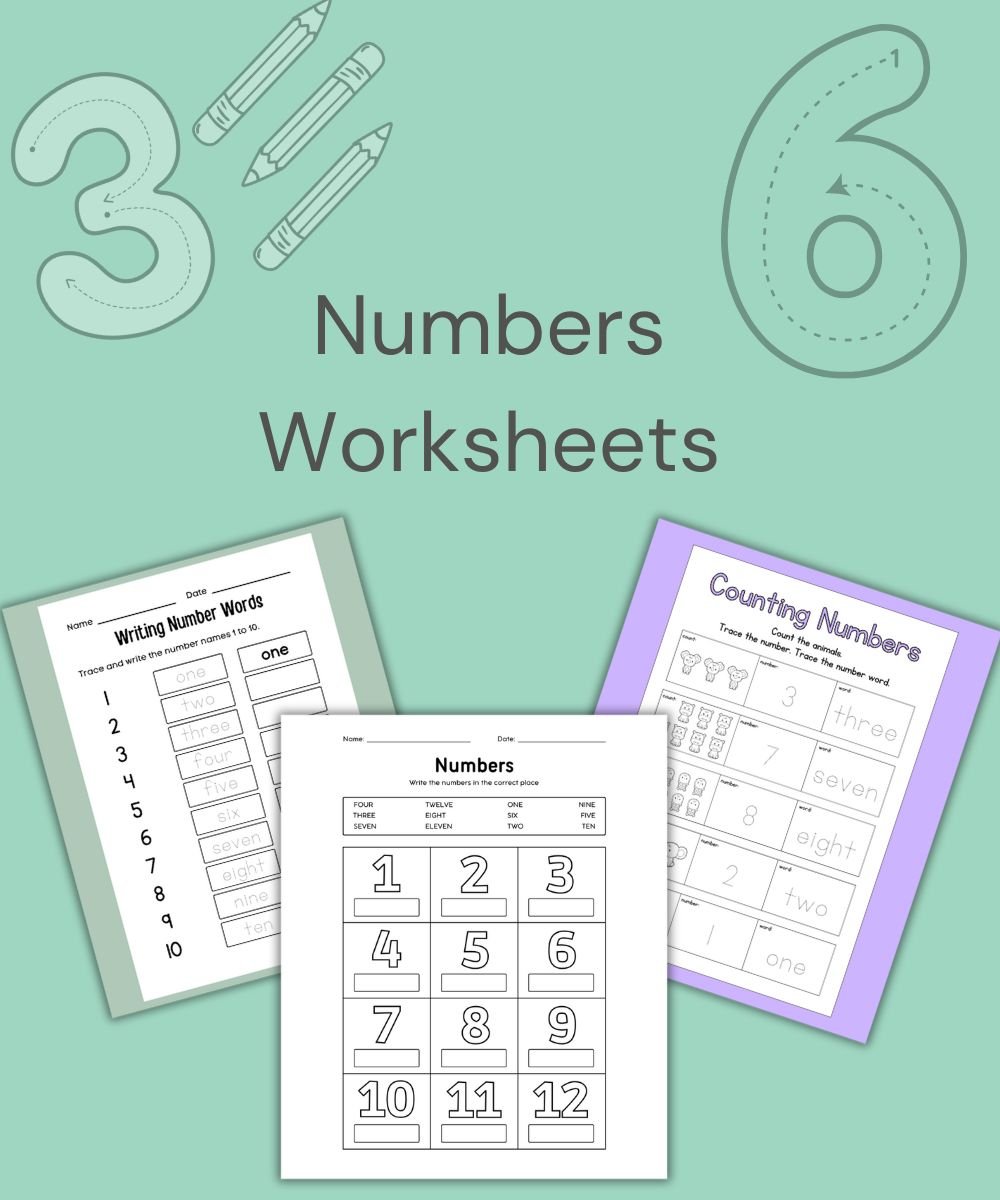
How to Use Printables With a Young Child (Without the Battles)
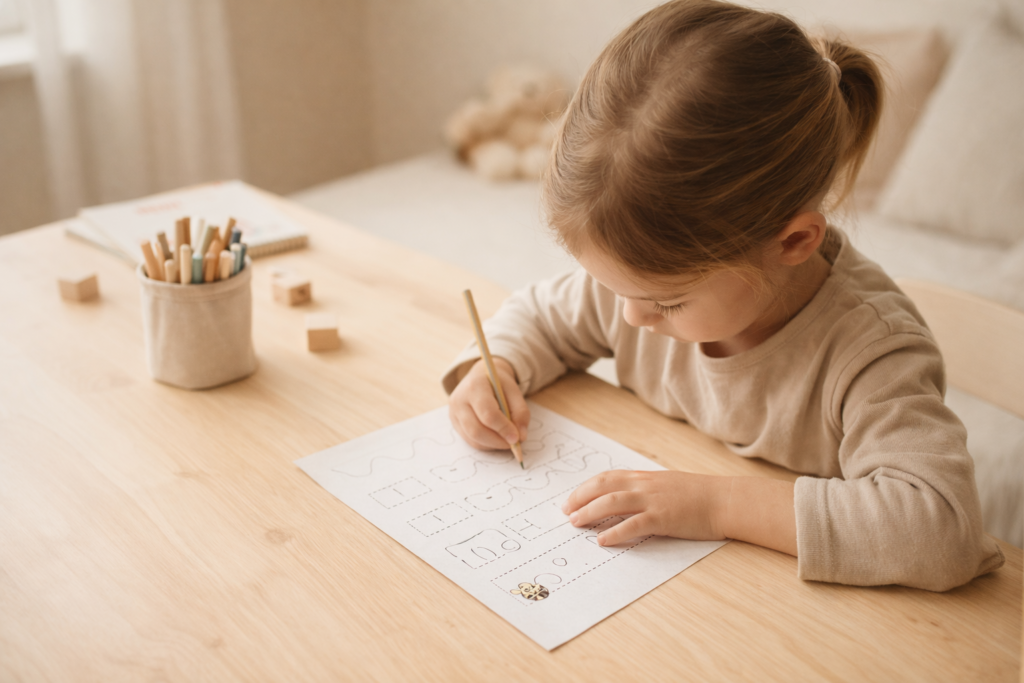
A printable is just a piece of paper. Whether it helps your child or ends in tears depends almost entirely on how you use it, and the approach is the same whether you are doing tracing pages, dot-to-dot, scissor practice, or counting sheets. Here is what works, drawn from years of sitting beside small children at the table.
Keep sessions short and follow your child’s lead
Young children have small attention spans, and pushing past them is where most battles begin. A rough guide: ages 2-3 manage 3-5 minutes, ages 4-5 do well with 5-10, and ages 6-7 can stretch to 10-15 if they are enjoying it. Stop while they are still having fun, not after a meltdown, so they want to come back tomorrow. If your four-year-old wants to colour the rocket on a counting page instead of counting it, let them. They are still holding the pencil and staying with the page, and you can count the windows together while they colour. Sit beside them, wonder aloud (“I wonder which line is longer?”), and resist correcting every stray mark. For more on pacing, see how long preschool learning sessions should be and these printable activities that actually keep kids focused.
When a child resists, treat it as information rather than defiance. The page may be too hard, too long, or simply badly timed. Offer a choice of two pages, do one line yourself to break the ice, or switch to a calmer activity and try again another day. If worksheets are a regular flashpoint, what to do if your child hates worksheets has fixes that protect both the learning and your relationship.
What to focus on at each age
Children don’t learn in a straight line, and what matters at two is very different from what matters at six. Choose activities that fit where your child actually is, not where a chart says they should be.
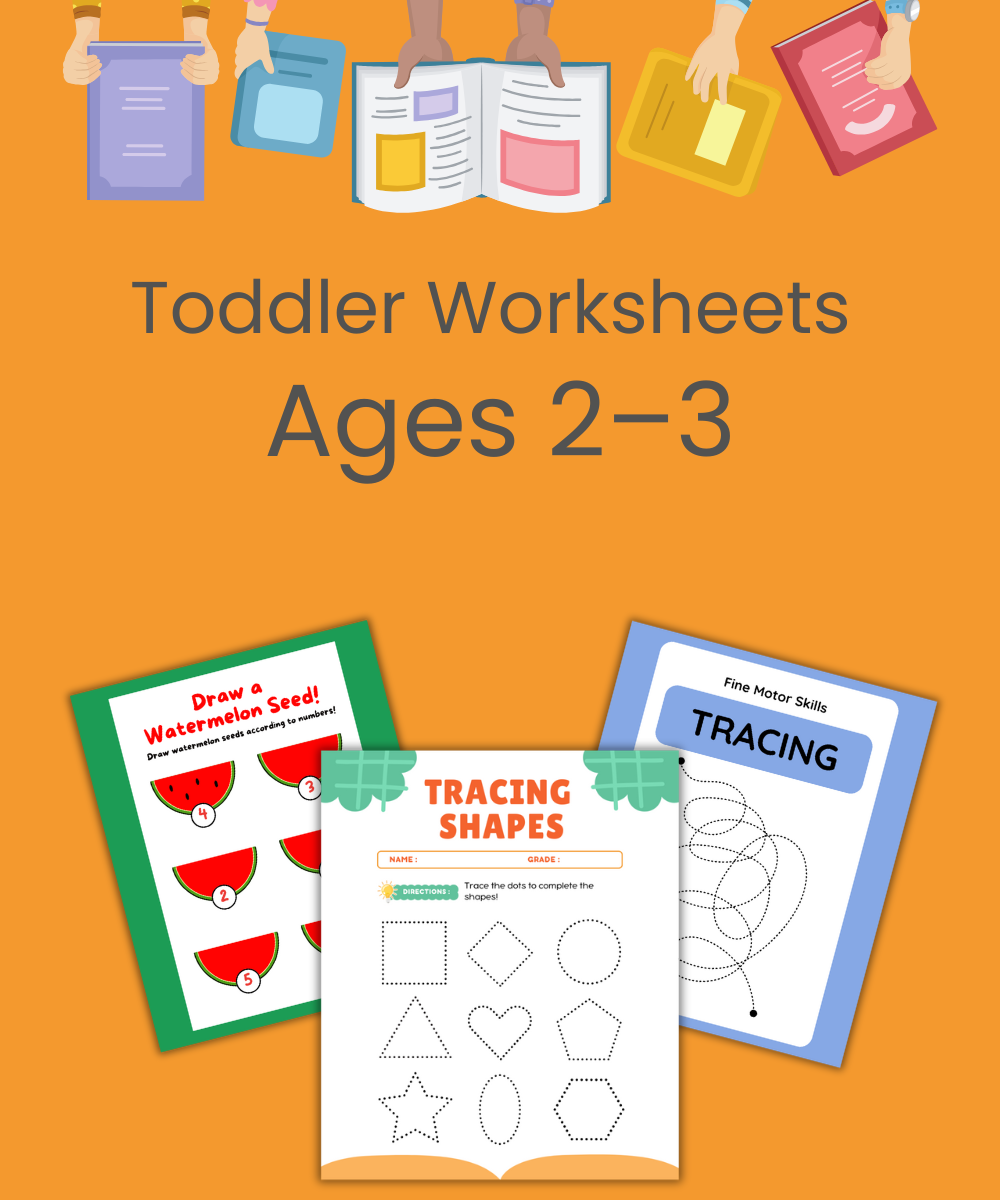
- Toddlers, 2-3 (hands and curiosity): the fine-motor stage. Scribbling with chunky crayons, peeling stickers, stacking, and threading large beads build the hand strength needed later for a pencil. Skip formal letters and numbers; name things aloud and sing counting songs instead.
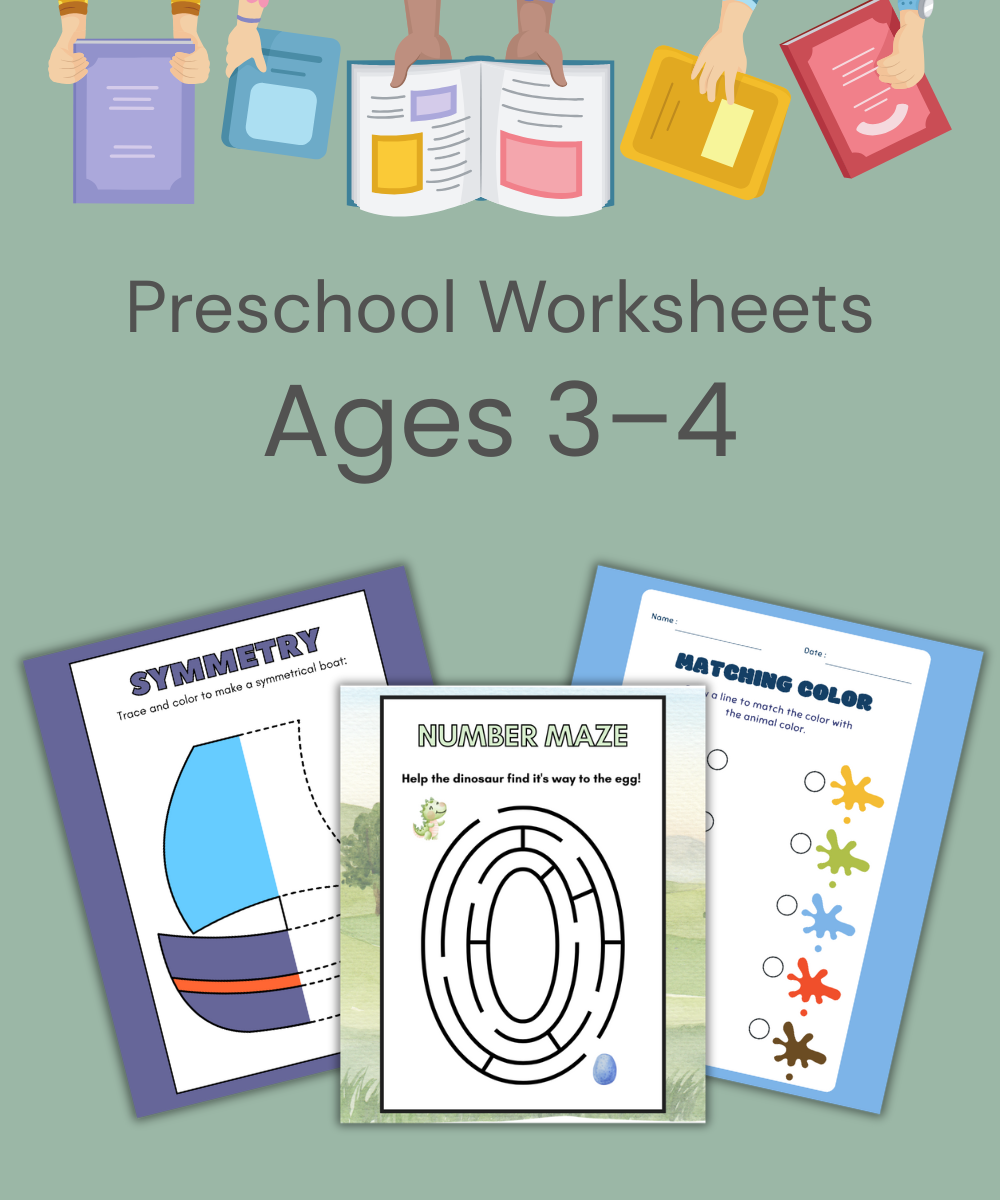
- Preschool, 3-4 (pre-writing): tracing lines and curves, dot-to-dot, simple mazes, and cutting along straight lines. Children start to recognise the letters in their own name. Focus on letter sounds before letter names, and keep a comfortable pencil grip in mind rather than neat handwriting.
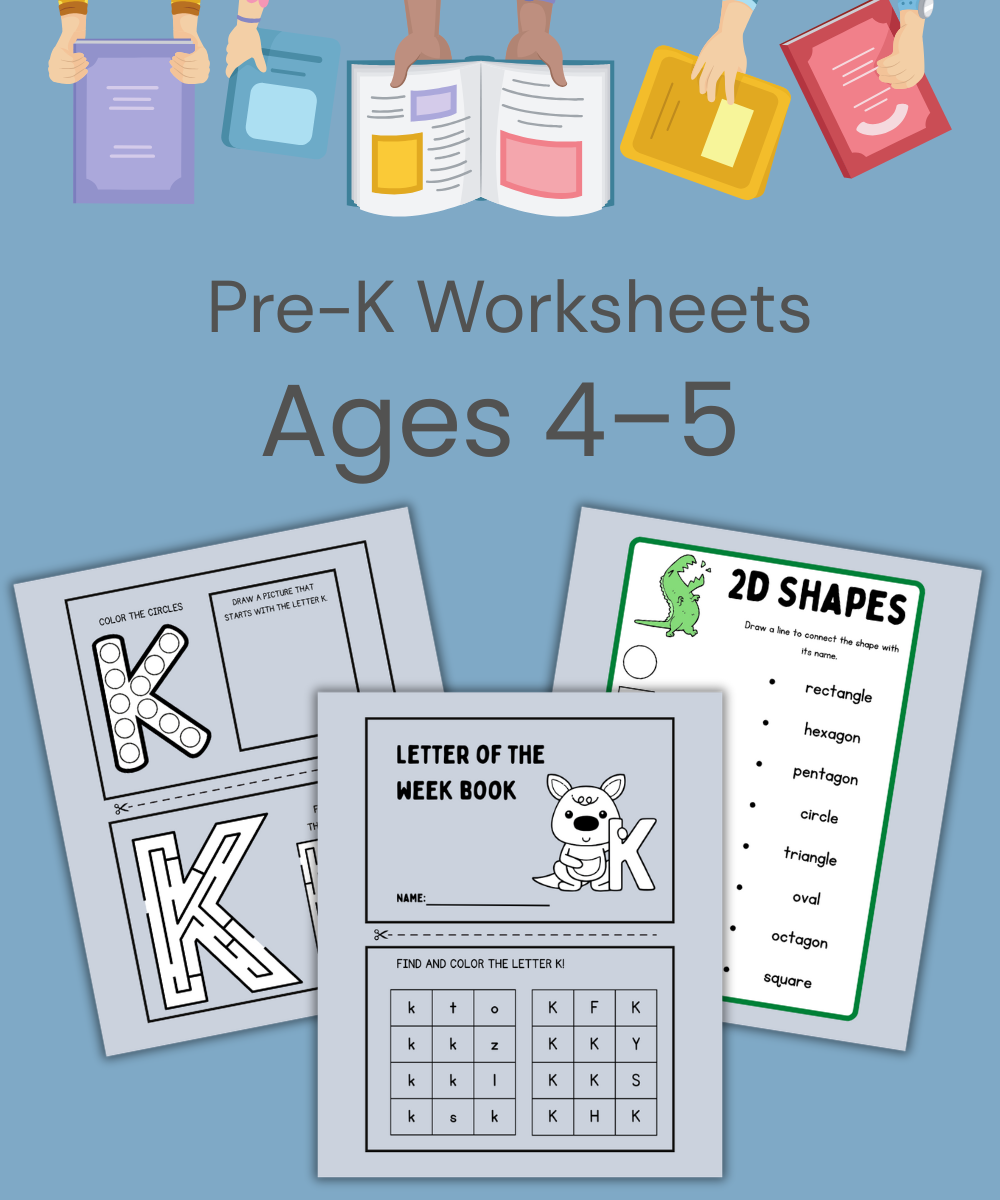
- Pre-K, 4-5 (getting ready): connecting most letters to their sounds, counting objects to ten or twenty, recognising numerals, and cutting along curves. These quiet readiness skills matter more than reading early.
- Ages 5-7 (early reading and real writing): blending sounds into words, reading simple sentences, writing letters from memory, and adding or subtracting small numbers. Support early reading with short daily practice and keep it pressure-free.
Quick answers to common worries
Is my four-year-old behind? Children develop on wildly different timelines, and a single skill gap rarely signals a problem. It helps to know what is genuinely expected rather than guessing, so look at what a 4-year-old should know before kindergarten for the realistic milestones.
How do I fix a poor pencil grip? Strong little hands come before neat handwriting. Tearing paper, using tongs to pick up pompoms, and squeezing dough build the muscles that make a proper tripod grip possible. When the hand is ready, watch for the signs your child is ready for handwriting practice before pushing letter formation.